
Real Estate
US Equity Futures Decline as Investors Await Midterm Results
By Katherine Langford
Advertisement · Why this ad?
Marcus manages the day-to-day editorial workflow across all brands, coordinating coverage assignments and ensuring editorial standards are met. He previously served as city editor at the Pioneer Press and holds a degree in Political Science from Carleton College.
More from Marcus →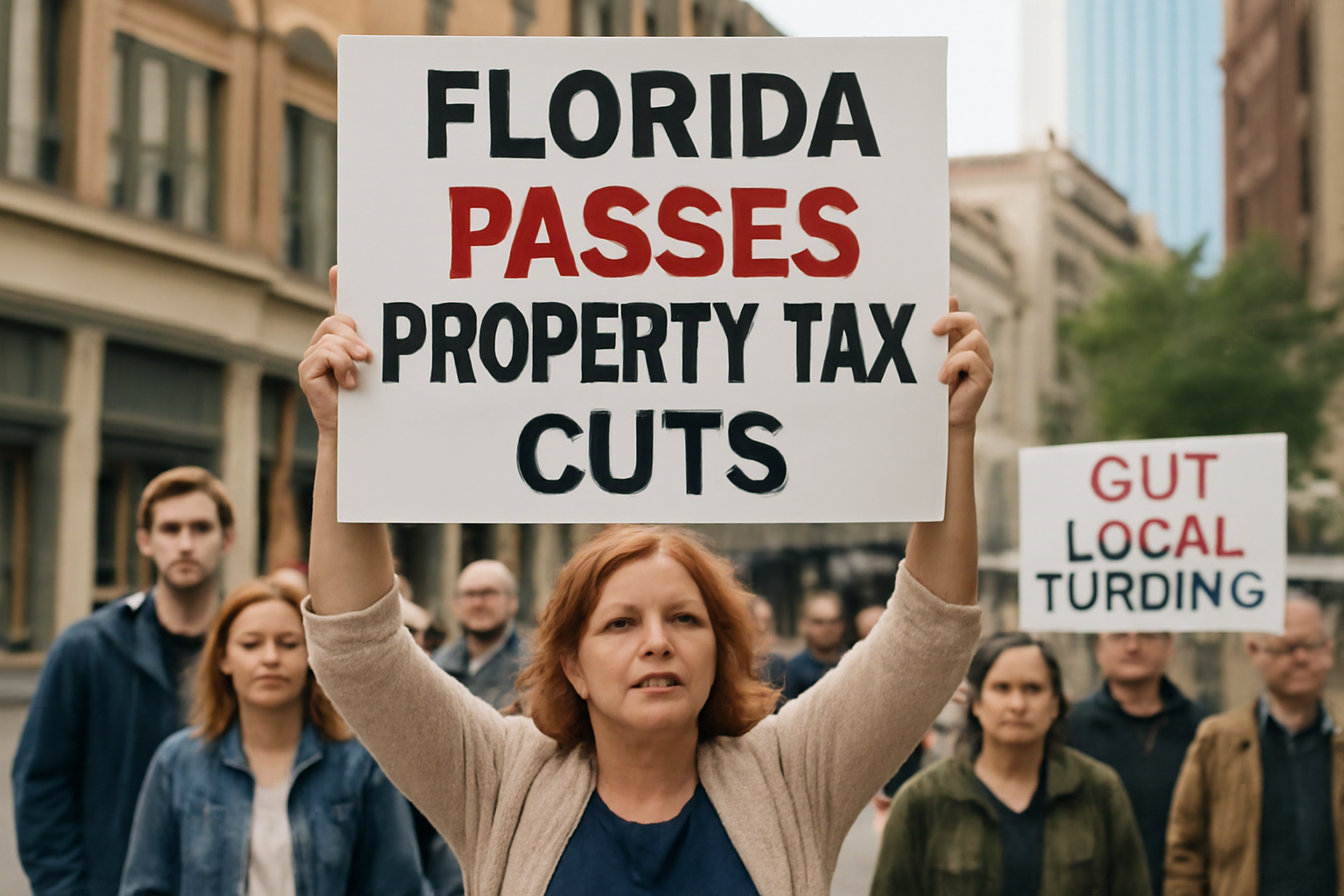
In a pivotal election moment, Florida voters made a bold choice, approving sweeping property tax cuts that will have a profound impact on local government funding. The decision, made during Tuesday's election, signals a shift in how communities across the state will manage essential services and infrastructure moving forward.
On November 7, 2023, Florida residents cast their votes in favor of significant property tax reductions, a measure that could reshape the financial landscape of local governments. This decision comes in the wake of growing concerns about affordability and economic pressures faced by homeowners. The approved cuts are expected to lower property tax revenues by an estimated $1.5 billion annually, a substantial hit for municipalities relying on these funds for critical services.
The property tax cuts will primarily benefit homeowners, providing immediate relief to many struggling with rising costs. However, the long-term implications for local funding sources raise alarms among city officials and community leaders. The cuts could lead to reduced budgets for essential services like public safety, education, and infrastructure maintenance, prompting a reevaluation of how local governments operate.
Florida's property tax system has long been a topic of debate, with advocates for lower taxes arguing that it promotes homeownership and economic growth. Critics, however, warn that slashing taxes could jeopardize the quality of life in communities that depend on these revenues to fund schools, parks, and emergency services. The recent election results reflect a growing sentiment among voters who prioritize immediate financial relief over the potential long-term consequences.
In the lead-up to the election, various advocacy groups campaigned vigorously for the tax cuts, framing them as a necessary step towards economic recovery. The Florida Chamber of Commerce and other business organizations supported the initiative, emphasizing the importance of making the state more attractive to residents and businesses alike. However, public sector unions and local government associations voiced their concerns, arguing that the cuts would disproportionately affect low-income families and the most vulnerable populations.
The implications of these property tax cuts are already being felt across Florida's cities and towns. Local governments are bracing for budget shortfalls, which could lead to layoffs, reduced services, and the postponement of vital projects. In many cases, municipalities may have to make tough decisions about which services to prioritize, potentially leaving some community needs unmet.
One example is in Orlando, where city officials are projecting a $30 million budget deficit due to the tax cuts. Mayor Buddy Dyer expressed concerns over maintaining public safety and essential services, stating, "We have to find a way to make these cuts without compromising the safety and well-being of our residents." Similar sentiments echo throughout the state, as community leaders grapple with the reality of diminished resources.
Moreover, the cuts could have a ripple effect on local economies, impacting everything from school funding to public transportation. As cities struggle to balance their budgets, the quality of education and infrastructure could suffer, leading to long-term consequences for residents. The decision to approve these tax cuts may provide short-term relief for homeowners, but it raises critical questions about the sustainability of local governance.
In the wake of the election, residents across Florida have begun voicing their concerns and hopes regarding the impact of these tax cuts. In Miami, local activist Maria Gonzalez expressed mixed feelings: "I understand the need for relief, but what about our schools? Our kids deserve better than to suffer because of budget cuts. We need to find a balance that doesn’t put our future at risk."
Residents in smaller towns are also worried. In Gainesville, local business owner Tom Reed noted, "These tax cuts might help me save a few bucks, but if the city cuts back on services, it could hurt my business in the long run. If people don’t feel safe or if the parks aren’t maintained, they won’t come out to shop or dine."
Community forums are being organized in various cities to discuss these changes and their implications. Local leaders are urging residents to participate actively in these discussions, emphasizing that public input is vital in determining which services should be prioritized moving forward.
In the aftermath of the election, local governments across Florida are now tasked with navigating the new fiscal landscape. City councils and county commissions are expected to convene in the coming weeks to discuss budget adjustments and explore alternative funding sources. Some municipalities may consider increasing fees for services, while others might look to state or federal aid to fill the gaps left by the tax cuts.
Furthermore, community members are urged to engage in the budgeting process and advocate for priorities that align with their needs. Local governments will be relying on public input to make informed decisions about which services to preserve and how to allocate limited resources effectively. As residents become more involved, it will be crucial for them to understand the implications of these tax cuts on their daily lives.
Local organizations, such as the Florida Policy Institute, are planning workshops to educate residents on how to navigate the new landscape. These initiatives aim to empower citizens to voice their needs and concerns effectively, ensuring that local governments remain accountable.
As Florida moves forward, the impact of these property tax cuts will serve as a critical case study for other states grappling with similar issues. The balance between providing financial relief to homeowners and ensuring robust local services is a delicate one. Observers from across the nation will be watching closely to see how Florida's communities adapt to these changes and what lessons can be learned.
Ultimately, the decision to implement these tax cuts reflects broader trends in American politics, where fiscal conservatism often clashes with the needs of local governance. As Florida residents navigate this new reality, the importance of strong community engagement and commitment to maintaining essential services will be paramount.
In conclusion, while the property tax cuts may offer immediate relief for many, the long-term effects on local funding and community services are yet to be fully realized. Floridians will need to come together to ensure that their communities remain vibrant and well-supported, even in the face of financial challenges.
By Katherine Langford

By Marcus Chen

By Marcus Chen

By Katherine Langford