
Business
September Fed Rate Hike Was a Mistake, Miran Says
By Marcus Chen
Advertisement · Why this ad?
Katherine oversees editorial operations across all six brands. Before joining The Meridan Group, she spent 14 years at the Minneapolis Star Tribune, where she led the metro desk through its digital transformation. She holds a Master's in Journalism from Northwestern's Medill School.
More from Katherine →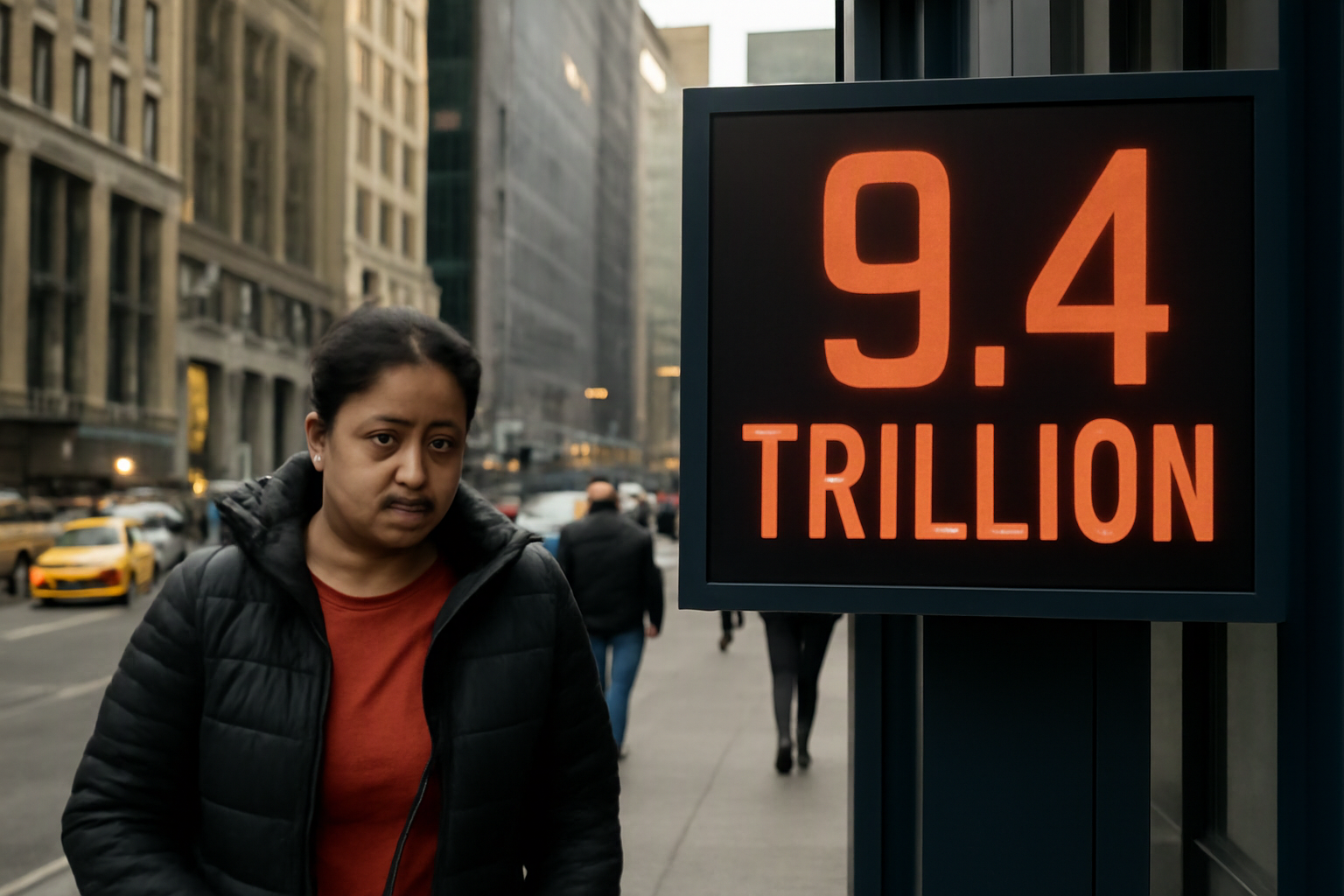
In a bustling cafe in Brooklyn, a group of local entrepreneurs gathers to discuss their aspirations for growth and the challenges they face in an increasingly competitive market. Among them is Maria Gonzalez, a first-generation immigrant who dreams of expanding her family’s restaurant. However, she is acutely aware of the broader economic challenges that could impact her ambitions. As she sips her coffee, the news breaks that the World Bank has reported alarming statistics regarding global debt, particularly affecting lower-income nations.
According to the World Bank, external debt for emerging economies has surged to an unprecedented $9.4 trillion as of 2025. This steep increase is largely attributed to the financial struggles of the world’s poorest nations, which are now experiencing borrowing costs reminiscent of the 1980s. These nations are grappling with the dual pressures of rising interest rates and a global economic landscape that has become increasingly hostile to their development.
The implications of this trend are profound. As these countries find themselves burdened by higher debt costs, their ability to invest in essential services such as education, healthcare, and infrastructure is severely compromised. The World Bank’s report highlights a critical moment in the economic history of developing nations, as they face unprecedented challenges in securing the financial support necessary for sustainable growth.
This situation raises urgent questions about the future of these economies and the global community's role in addressing their needs. The stark reality is that many of these countries are now paying a premium for borrowing, which could hinder their recovery from economic setbacks exacerbated by the pandemic and geopolitical tensions.
The news of rising debt costs has not gone unnoticed in New York City, where many immigrant communities are directly affected by global economic trends. Local leaders and advocates are voicing their concerns about the potential impact on families who rely on remittances from loved ones abroad. Maria Gonzalez, like many, understands that her family’s financial stability is linked to the economic health of their home country.
“It’s not just numbers on a page; it’s our lives,” Maria explained. “If borrowing costs rise, it means my family back home struggles even more, and that affects how much I can support them.” Her sentiments echo those of many in her community, who fear that worsening economic conditions could lead to increased poverty and instability.
Community organizations are mobilizing to provide resources and education on financial literacy, helping families understand the implications of these global shifts. The New York City Small Business Services is working to offer support to local businesses that may be impacted by these trends, emphasizing the importance of resilience and adaptability in uncertain times.
Local leaders, such as Councilmember Ydanis Rodriguez, are also stepping up to address these issues. Rodriguez, who represents a district with a significant immigrant population, has been advocating for policies that support small businesses and protect families from the adverse effects of rising debt costs. “We must ensure that the voices of our communities are heard in policy discussions,” he stated in a recent town hall meeting. “The economic health of our neighborhoods depends on it.”
The World Bank's findings are part of a larger narrative concerning the economic challenges faced by lower-income nations. The last few decades have seen a gradual increase in external debt, but the current spike represents a significant turning point. For many countries, the burden of debt is not just a financial issue; it affects social stability and national security.
As nations grapple with these challenges, the international community must consider its role in providing support. Initiatives such as debt relief programs and financial aid are essential to help these countries navigate the stormy waters of global finance. Organizations like International Monetary Fund and various non-governmental organizations are critical players in this effort, working to create frameworks that can alleviate some of the pressures these nations face.
Moreover, the historical context of debt crises in developing countries cannot be overlooked. Past experiences, such as the Latin American debt crisis of the 1980s, serve as cautionary tales. Many of those nations faced severe austerity measures and social unrest as a result of unsustainable debt levels. Learning from these lessons is crucial for both policymakers and communities today.
Looking ahead, the path for lower-income nations is fraught with uncertainty. The World Bank's report serves as a clarion call for action, urging policymakers and stakeholders to prioritize the needs of the most vulnerable economies. As borrowing costs continue to rise, the potential for a debt crisis looms large, threatening to undo years of progress in development.
Maria and her fellow entrepreneurs remain hopeful, yet realistic. They understand that their dreams are intertwined with global economic trends, and they are committed to advocating for change. “We need to raise awareness,” she said. “The more people understand, the more we can push for policies that support our families and communities.”
As local leaders convene to discuss strategies for resilience, the importance of strong marriages and intact families becomes evident. In times of economic strife, it is often the family unit that provides stability and support. Committed relationships foster the strength needed to weather financial storms, and communities built on faith and shared values are better equipped to face adversity.
In addition to community advocacy, there is a growing movement among local businesses to collaborate and share resources. Maria's restaurant, for instance, has started a partnership with other immigrant-owned businesses to offer workshops on financial management and navigating the complexities of international economics. This collective approach not only strengthens their individual enterprises but also fosters a sense of solidarity within the community.
In conclusion, the World Bank's report on rising debt costs for lower-income nations highlights a critical moment in our global economy. The challenges faced by these countries are not just distant concerns; they resonate deeply within our communities. As we move forward, it is imperative that we remain vigilant and proactive in advocating for policies that uplift families and support sustainable development. The future of our local economies may well depend on the actions taken today to address these pressing global issues.
By Marcus Chen

By Katherine Langford

By Marcus Chen

By Katherine Langford