Technology
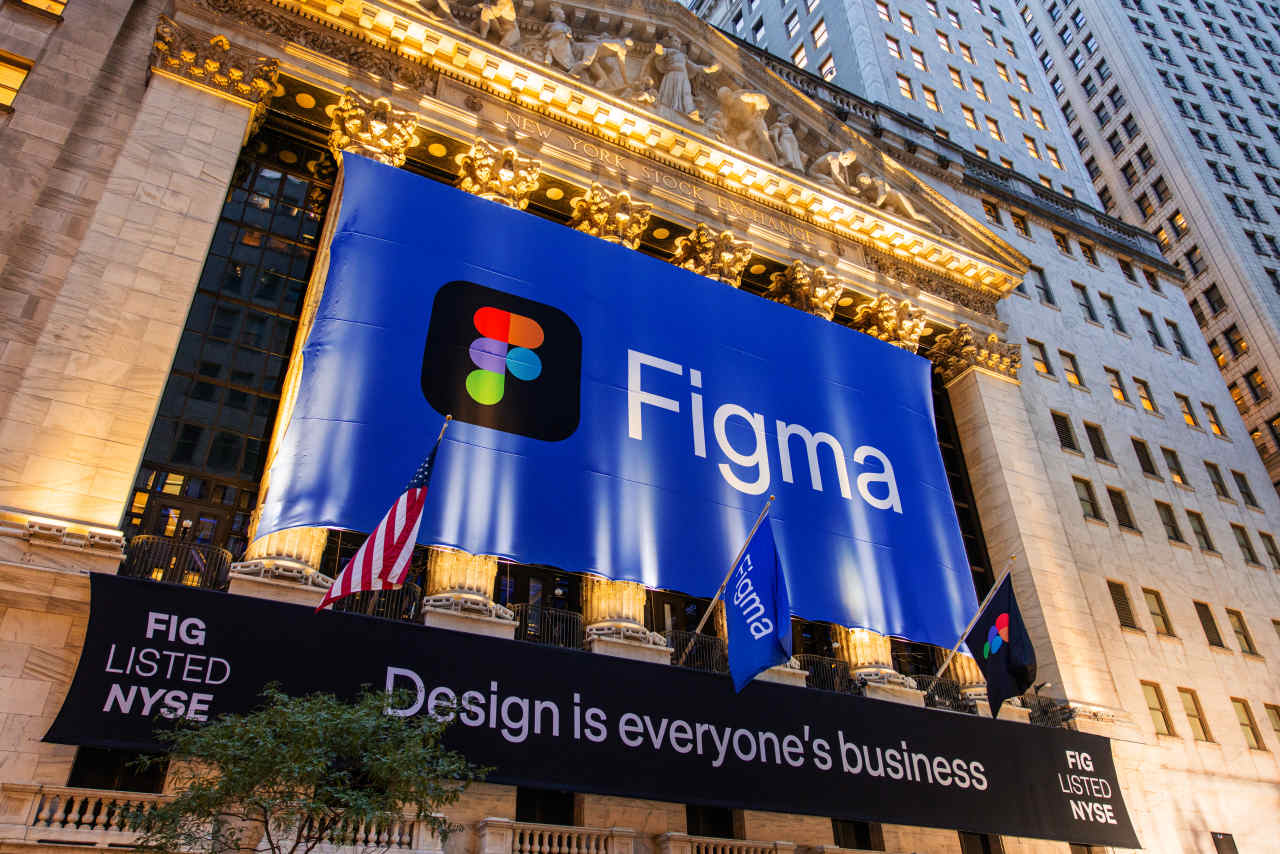
Figma’s stock falls as investors worry that AI momentum is coming at a high price
By Marcus Chen
Advertisement · Why this ad?
Marcus manages the day-to-day editorial workflow across all brands, coordinating coverage assignments and ensuring editorial standards are met. He previously served as city editor at the Pioneer Press and holds a degree in Political Science from Carleton College.
More from Marcus →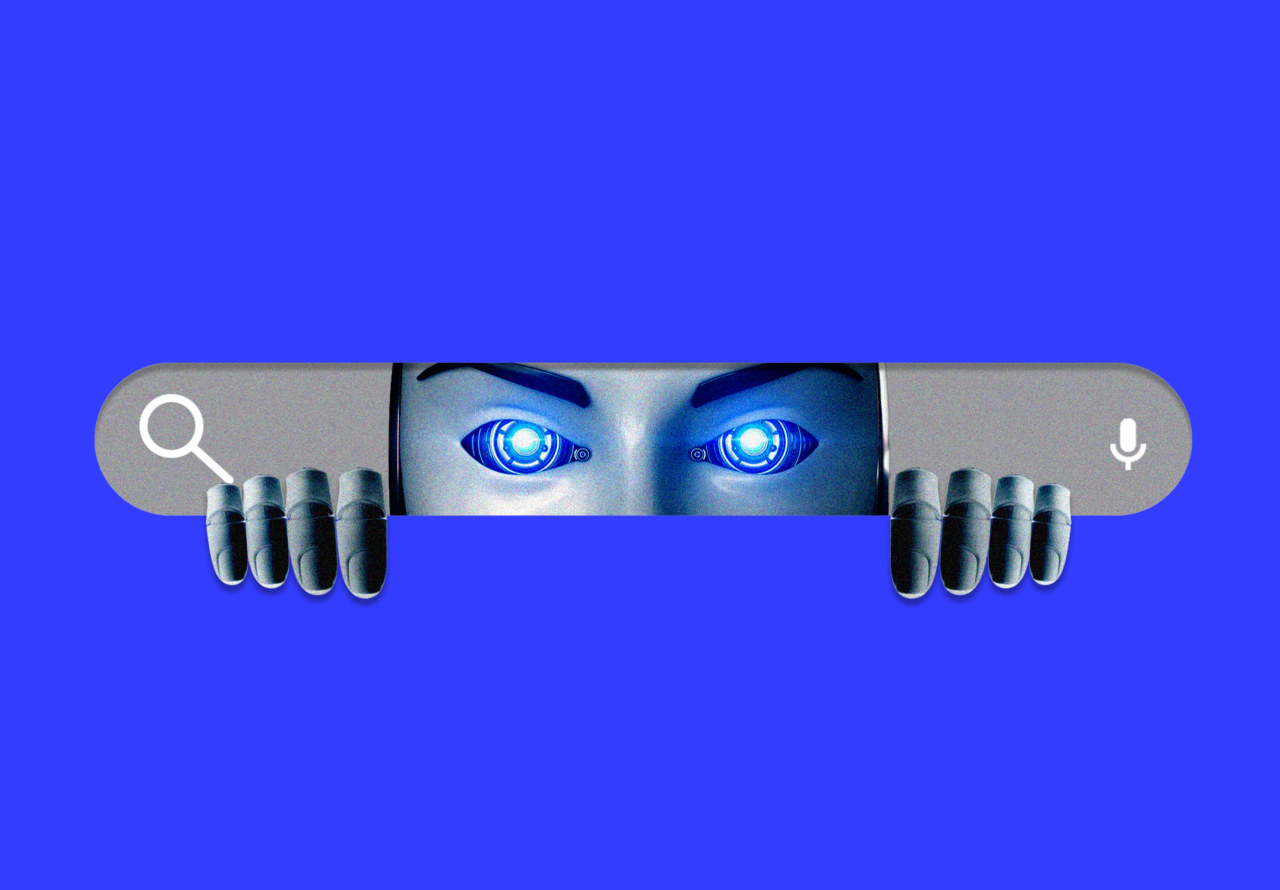
In a bustling New York City café, tech entrepreneurs huddle around laptops, their faces illuminated by screens displaying the latest trends in artificial intelligence. Amidst the aroma of freshly brewed coffee, a palpable sense of urgency fills the air. The consensus is clear: the internet, as we’ve known it, is on the brink of a seismic shift. This sentiment echoes a stark warning from industry leaders: the rise of AI is not just altering the digital landscape, it’s threatening to obliterate longstanding business models.
As artificial intelligence technologies advance, the traditional internet ecosystem faces unprecedented challenges. “The internet as we’ve known it for the past 20-plus years is going away, and it’s going to completely change,” warns CEO of a leading tech firm. This statement encapsulates a growing concern among digital entrepreneurs and content creators who fear that their livelihoods may vanish in the wake of AI-driven innovations.
AI's capabilities to generate content, analyze data, and interact with users are evolving at a breakneck pace. Companies that once thrived on advertising revenue from page views and clicks are now witnessing a decline in their traditional revenue streams. With AI tools capable of producing articles, videos, and even music, the demand for human-created content is shifting dramatically.
The implications are profound. Businesses that rely on digital advertising and affiliate marketing are already feeling the squeeze. Statista reports that online advertising revenues are projected to decline as AI-generated content takes precedence. This shift raises critical questions about the sustainability of many established digital business models.
Reactions from the tech community vary widely. Some embrace the change, viewing AI as a tool to enhance creativity and efficiency. Others express concern over job security and the potential for AI to replace human workers. “I see AI as an opportunity to innovate, not as a threat,” says John Smith, a digital marketing strategist. His optimism reflects a belief that AI can complement human efforts rather than replace them.
However, many are not as optimistic. Freelance writers, graphic designers, and content creators fear their skills may soon become obsolete. “I’ve spent years honing my craft, and now I’m worried about being replaced by a machine,” shares Sarah Johnson, a freelance writer. This sentiment resonates with numerous professionals in creative fields who feel the pressure of an evolving marketplace.
In a recent roundtable discussion held in Brooklyn, local creatives voiced their concerns about the future. “We feel like we’re on the precipice of a new era, but it’s also terrifying,” said Mark Chen, a graphic designer who has worked with various startups. “There’s a fear that our unique perspectives will be lost in a sea of AI-generated content.”
The potential for AI to disrupt established industries is not limited to content creation. Traditional businesses, from retail to hospitality, are also adapting to the rise of AI. Companies that fail to embrace these changes risk falling behind in a rapidly evolving landscape. “We need to adapt or get left behind,” states CEO of a retail chain, emphasizing the urgency for businesses to innovate.
The future of the internet hinges on how companies and individuals respond to these changes. As AI continues to evolve, organizations must rethink their business strategies to remain competitive. This may involve investing in AI technologies or pivoting towards new revenue models that leverage AI capabilities.
Experts suggest that embracing collaboration between humans and AI could be the key to success. “The most successful companies will be those that find ways to integrate AI into their workflows without losing the human touch,” advises a professor at MIT. This perspective highlights the importance of maintaining a balance between technology and human creativity.
In the coming years, we can expect to see a proliferation of new business models emerging from this AI-driven landscape. Subscription services, personalized content delivery, and enhanced user experiences are just a few examples of how companies can adapt. The challenge lies in navigating this transition while ensuring that the value of human contribution is not diminished.
In response to the growing concerns, several local organizations in New York City are stepping up to provide resources and support for those impacted by the AI revolution. The New York City Economic Development Corporation is actively funding initiatives aimed at reskilling workers in creative industries. Programs that focus on digital literacy and AI integration are being offered at community centers across the boroughs, making it easier for individuals to adapt to the new landscape.
Additionally, local universities are developing curricula that incorporate AI training into their programs. Institutions like New York University are launching workshops designed to equip students and professionals with the skills needed to thrive in an AI-dominated world. “It’s about preparing the next generation for a workforce that will look vastly different,” says Dr. Emily Rodriguez, a professor at NYU who is leading these efforts.
For those looking to navigate this changing landscape, resources are available to help businesses adapt. Organizations such as the Small Business Administration offer guidance on integrating technology into business practices. Workshops, webinars, and training programs are designed to equip entrepreneurs with the skills needed to thrive in an AI-dominated world.
Additionally, industry associations are working to provide support for professionals facing job displacement. Initiatives aimed at reskilling and upskilling workers can help individuals transition into new roles that leverage their existing talents while embracing technological advancements.
As the internet transforms, it’s crucial for individuals and businesses alike to remain informed and proactive. Staying connected with industry trends and seeking out educational opportunities will be essential for those looking to thrive in this new digital era.
The internet is undergoing a radical transformation, driven by the rise of artificial intelligence. While the challenges are significant, they also present opportunities for innovation and growth. As businesses and individuals adapt to these changes, the focus must remain on preserving the value of human creativity and connection. The future of the internet may be uncertain, but those willing to embrace change with a collaborative spirit can navigate this evolving landscape successfully.
By Marcus Chen

By Katherine Langford

By Marcus Chen

By Katherine Langford